How the Global Diaspora Impacts Faith and Sport
Whenever migration occurs, there is always a bi-directional impact.
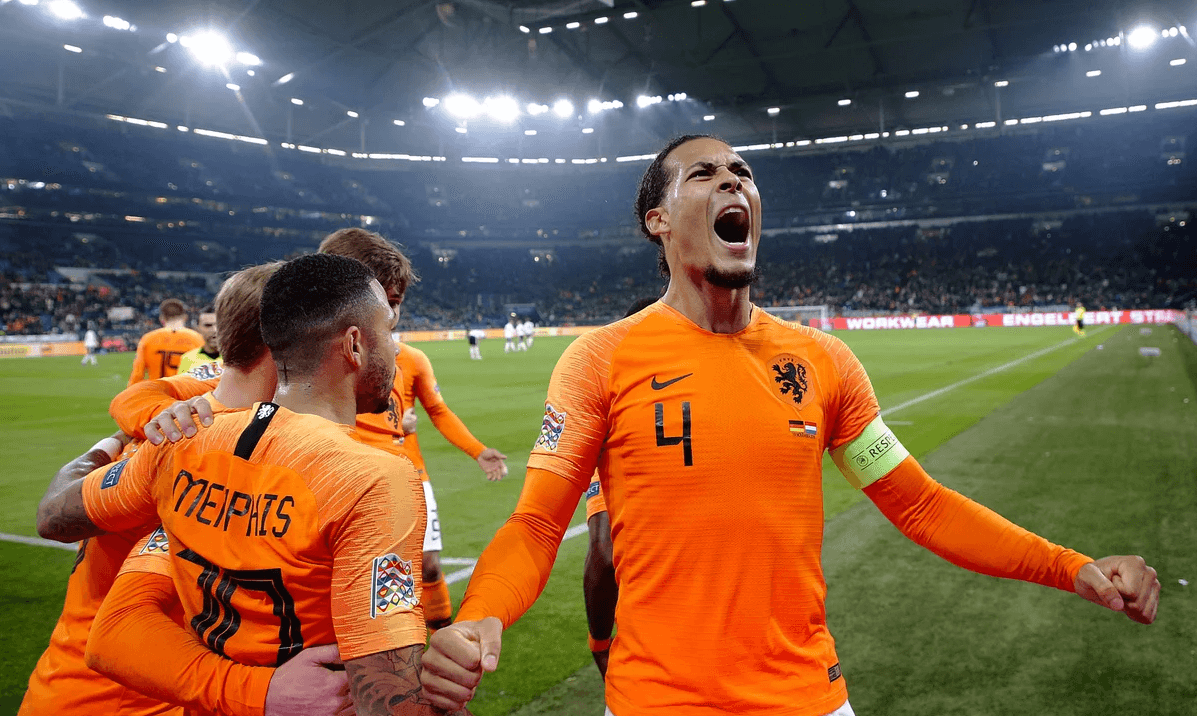
In June, billions of eyes around the world will be glued to TV screens to watch one of the most exciting teams in the World Cup tournament: the Netherlands. The Dutch national team, famous for their bright orange uniforms, has a rich history when it comes to the international soccer scene. With 12 total appearances in the World Cup (including finishing as runner-up on 3 separate occasions), the Oranje are sure to be one of the contenders to win the entire tournament this summer.
However, one cannot celebrate the legacy of Dutch soccer without acknowledging the influence of another nation: Suriname.
Suriname is the smallest country in South America – by both population and land mass. With a total population of only 640,000 people, the Suriname national team has never qualified for a World Cup (although they fell just 2 wins short of reaching this summer’s tournament).
So what does Suriname have to do with the Netherlands?
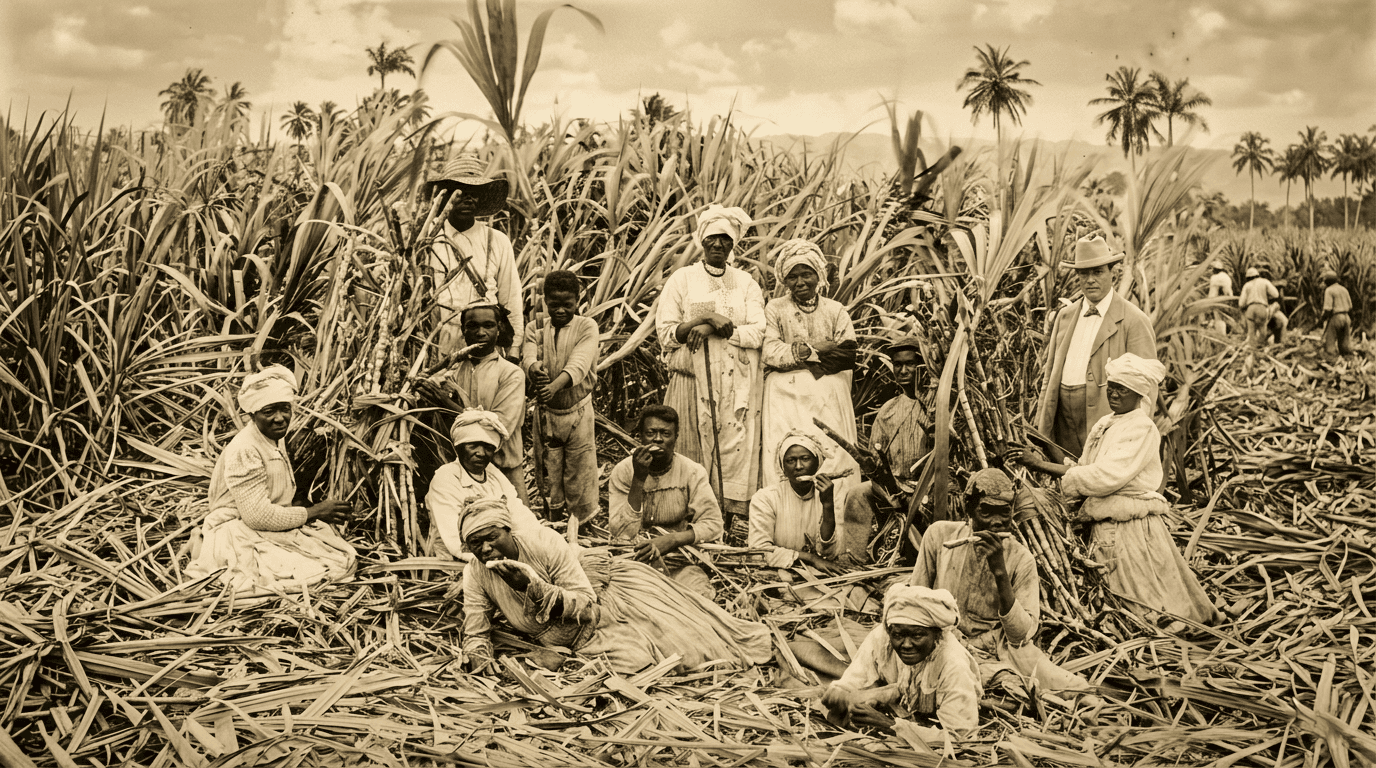
Suriname was a Dutch colony (Dutch Guiana) for over three centuries. During that time, it became an economic hub for sugar production via slave labor and trade. Being under Dutch colonial rule resulted in the adoption of the Dutch language and many of its cultural traditions. To this day, Dutch is considered the native language for most Surinamese, and much of Suriname’s legal and educational systems are modeled directly after those in the Netherlands.
The country's complex colonial ties with the Dutch impacted migration, as well. In the years leading up to and immediately following Suriname’s independence in 1975, nearly a third of the country’s population moved to the Netherlands. Seeking economic stability and maintaining their Dutch citizenship rights, thousands of Surinamese families settled in Dutch cities like Amsterdam, Rotterdam, and The Hague.
Among these families were young boys who played soccer on the concrete courts and narrow streets of Dutch housing estates. They brought with them a distinct style of play: technically gifted, highly athletic, improvisational, and fearless. Pretty soon, the Netherlands national team regularly featured superstar players like Ruud Gullit, Frank Rijkaard, Clarence Seedorf, and Edgar Davids – all of whom claim ethnic roots from Surinam. Even now, the Surinamese diaspora can be seen prominently in the Dutch national team. (Players like Virgil van Dijk, Xavi Simons, and Ryan Gravenberch all descend from families who emigrated from Suriname.) Without the influence of players with Surinamese heritage, it is unlikely that the Netherlands would be known for its famous totaalvoetbal (total football) style of play that the world has come to know and admire from the Dutch.
But the relationship between Suriname and the Netherlands is not just a one-way street of athletic export. When the Dutch first colonized Suriname many centuries ago, there was another major impact on the South American country. The Dutch brought Christian religious traditions with them.
At first, Christianity was brought over from the Netherlands as a religion reserved exclusively for the colonizers. But as relational tensions grew between colonists and slaves, the Dutch colonial government quickly realized that they would not be able to keep their Christian faith from spreading to the people of Suriname. By the mid-1700s, the Dutch allowed missionary groups like the Moravians to share their faith with the Surinamese and African population.
The Moravians felt a specific, burning calling to minister to the marginalized, the enslaved, and the indigenous peoples of the colony. Unlike the colonial elite, the Moravian missionaries lived among the enslaved populations, building schools and hospitals, and teaching the Surinamese to read. They learned the local languages, specifically Sranan Tongo, the Creole language developed by the enslaved Africans. And in what was a revolutionary act for the time, the Moravians translated the Bible, hymns, and catechisms into Sranan Tongo. By preaching the Gospel in the heart language of the oppressed, the missionaries communicated a powerful theological truth: that God hears you in your own language – and that He was not just the God of the Dutch colonizers. He was the God of the Surinamese enslaved, as well.
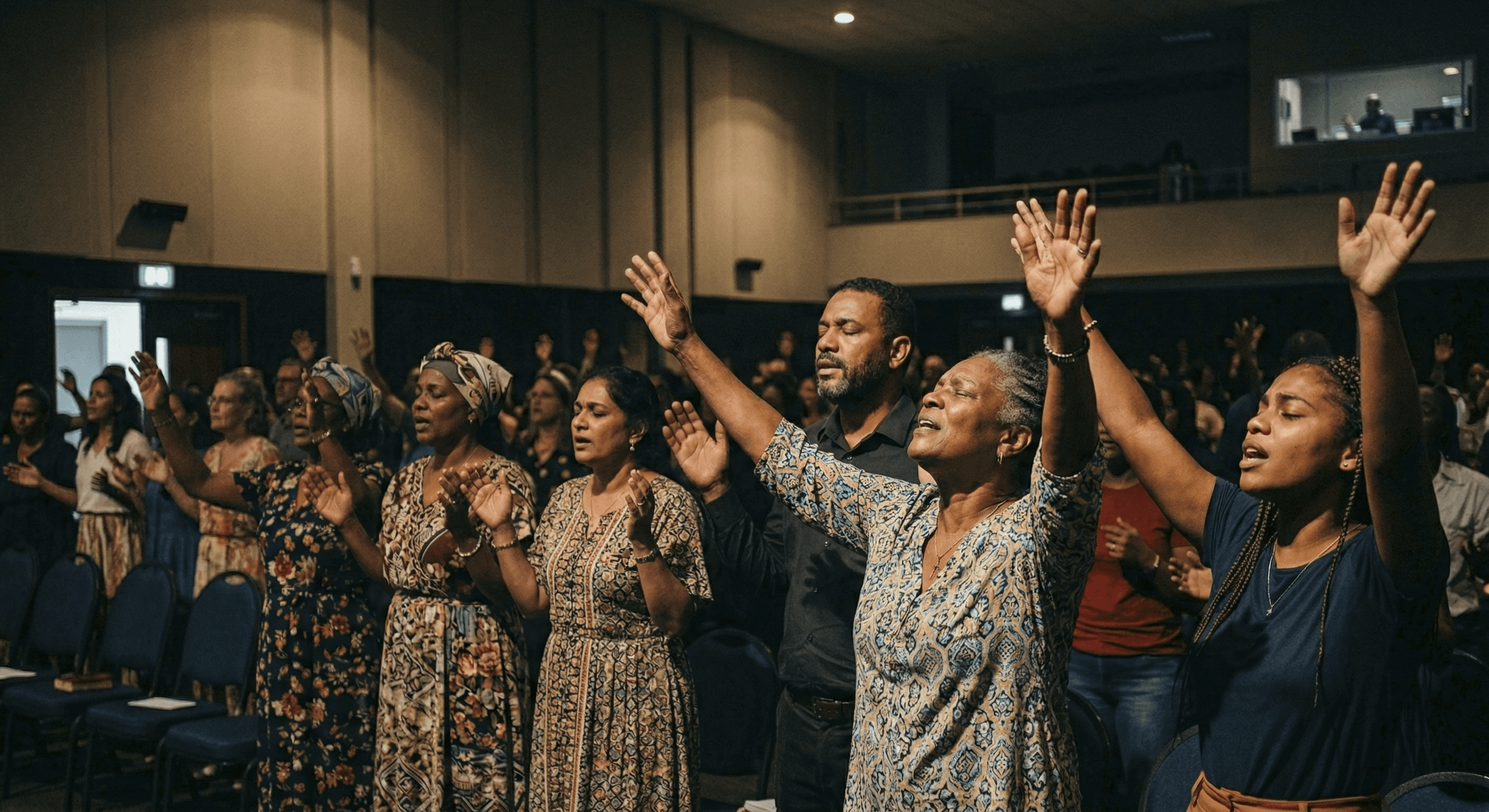
Today, despite a complex and painful history of being colonized by the Dutch, nearly half of the population of Suriname professes themselves to be a Christian. If you walk through the city of Paramaribo on a Sunday morning, you will hear majestic hymns sung in Sranan Tongo. You will see grand wooden cathedrals (like the Saint Peter and Paul Basilica). And most importantly, you will see beautifully diverse congregations of Surinamese believers worshiping in local churches.
The depth of cross-cultural impact between Suriname and the Netherlands is both deep and complex. But it is important to remember that whenever migration occurs, there is always a bi-directional impact. In other words, you can’t have Surinamese Christianity without the Dutch, and you can’t have Dutch soccer without the Surinamese.
God uses people who migrate (often referred to as diaspora people groups) for his purposes every single day. While the Dutch brought the Bible to Suriname (albeit in a painful way), the Surinamese people breathed their own beautiful, God-given spirit into the life of the church. And with Suriname’s largest diaspora population now residing in the Netherlands today, the Surinamese are now influencing how the Dutch are thinking about theology and spiritual practice in their own country.
So as you watch the Dutch national team play at the World Cup this summer, remember the nation of Suriname – and how God uses migration and cross-cultural moments for good. Learn which diaspora people groups live in your own local community and consider getting to know them on a personal level.
The World Cup is an incredible moment when relational walls relax and hearts are open to new cultural experiences. Pray that God would give you opportunities to engage with diaspora communities – and enjoy the rich perspectives of those around you. After all, when we engage personally with those around us, God gives us a glimpse of the richness of heaven right here on earth.
“After this I saw a vast crowd, too great to count, from every nation and tribe and people and language, standing in front of the throne and before the Lamb. They were clothed in white robes and held palm branches in their hands. 10 And they were shouting with a great roar, “Salvation comes from our God who sits on the throne and from the Lamb!” -Revelation 7:9-10 (NLT)
Bonus: If you want to dive deeper into learning about how the Dutch have impacted other nations, research the island nation of Curaçao – which just qualified for their first ever World Cup this year. You’ll find a similarly amazing story in that nation, as well!
David Eunseok Kim serves in diaspora ministry leadership for Cru. He has been involved in diaspora ministry since 2008 – from serving in church planting, ministering to international college students around the United States, and assisting newly-arrived refugees with settling into new homes. He is passionate about collaborating with the global church and enjoys mobilizing believers to grow in their heart for diaspora communities. |
Trending Posts