Freedom to Play Starts Here
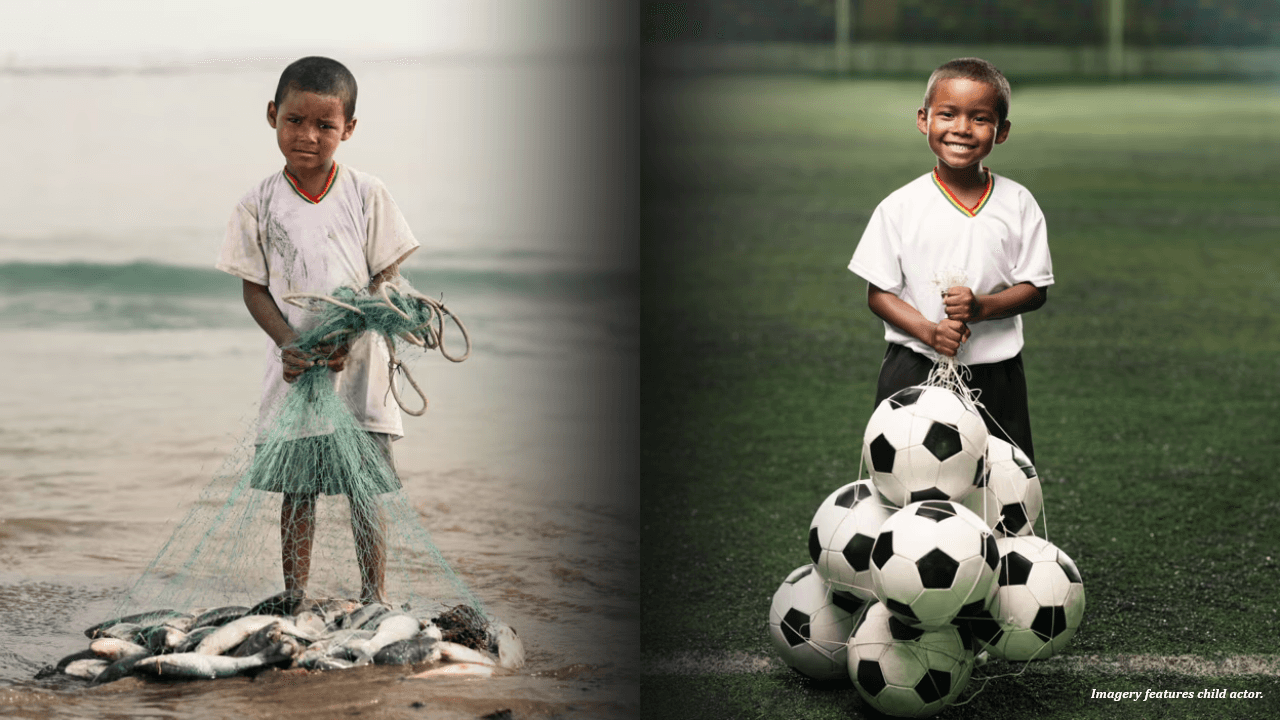
Right now, an estimated 50 million people are trapped in modern slavery, and one in four is a child.
Drop a ball on the ground almost anywhere in the world, and the same thing happens. A kid runs to it, then another. A minute later there is a game, and five minutes after that there is a crowd, and nobody ever wrote down the rules. I have watched it on a dusty lot in Ghana, on a side street in Manila, in a neighborhood in Guatemala City, and in a field in Kenya. Different countries, different languages, same magic. You drop a ball, and the kids just play.
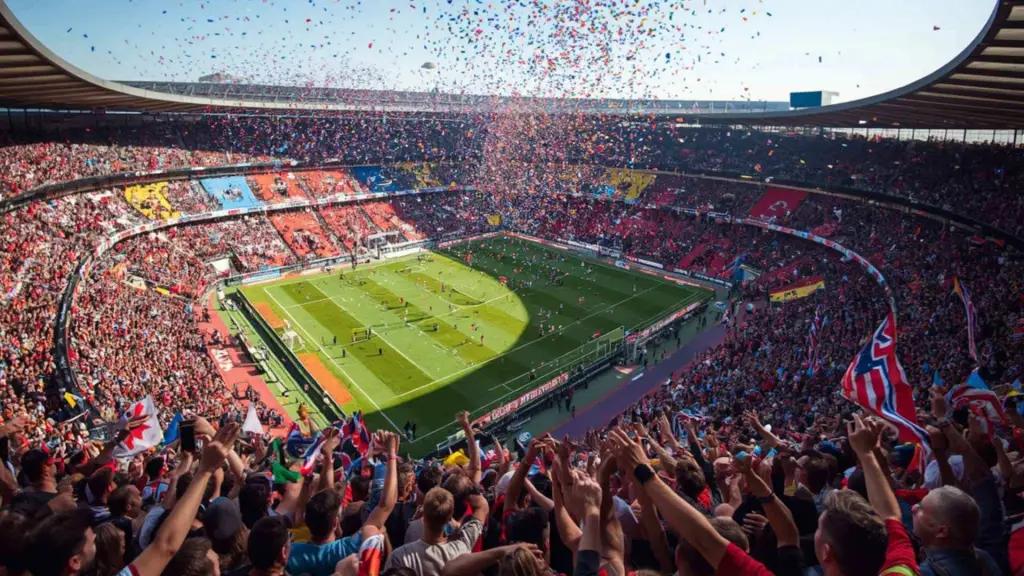
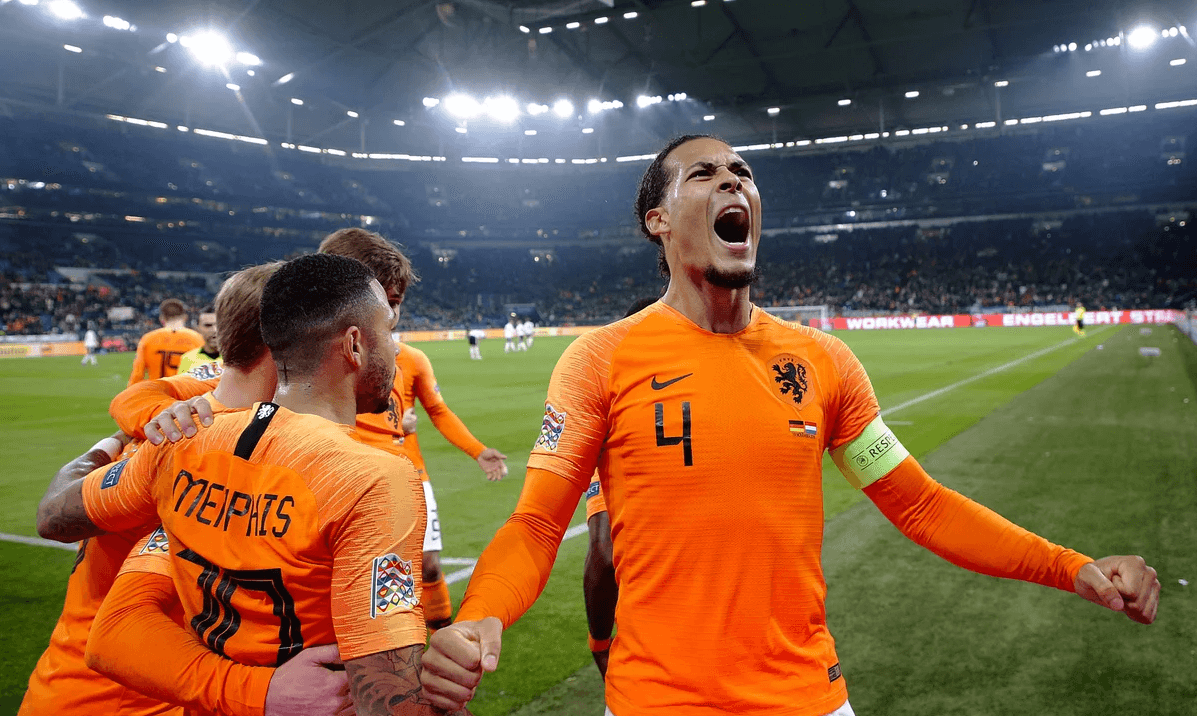
This summer, the same thing is happening on the biggest stage there is – more than five billion people will stop what they are doing to watch the World Cup. Forty-eight teams. Dozens of countries. People who do not speak the same language, eat the same food, or live anywhere near each other will groan, gasp, and leap off their couches at the exact same second.
I played American football, not soccer, but I know that feeling in my bones. I spent years in locker rooms full of guys from different cities and different stories who had almost nothing in common. Then the ball was snapped, and all of it disappeared. We were one team, chasing one thing, together. Sport does that. It takes a room full of strangers and, for a little while, makes them family.
Back to the pickup games in Ghana, Kenya, Manila, and Guatemala City – these games were not happenstance but rather I was travelling to those cities to see the work of International Justice Mission (IJM), the largest anti-trafficking organization that I have the opportunity to work for. And many of the kids laughing and chasing that ball with me were survivors of human trafficking.
Let that sit for a second. Kids who had been bought and sold. Kids who had been forced to work instead of going to school. Kids who had seen things no child should ever see and yet, there they were, barefoot and grinning, fighting over a ball like every kid is supposed to. I also got to stand next to the brave men and women – my colleagues – who fight for them every single day, the ones who walk into some of the hardest places on earth so a child can be free.
I think about that a lot, because I got to play my whole life. I had a field, a ball, a team, and parents in the stands who cheered like crazy. Not once did I wonder if I was free, but millions of kids will never know that feeling. Right now, an estimated 50 million people are trapped in modern slavery, and one in four is a child. Instead of running on a field, those kids are forced to work. Instead of being protected, they are being used. Somebody stole their freedom to play.
This is where my faith stops being a Sunday thing and gets very real. When Jesus first stood up to explain why He came, He said He came to set the oppressed free and to open the prison doors for people who are trapped. That was not a side note for Him. It was the heart of the whole mission, and He had a soft spot for kids. He once told the adults to stop pushing the children away and said, "Let the little children come to me.” Because of that, I am certain of one thing – God sees every one of those kids, and God is not okay with what was done to them.
Now here is the most hopeful thing I know, and I have seen it with my own eyes. This is not a problem without an answer. IJM works alongside local police, courts, and communities to rescue children who are trapped and to help them heal and build a new life. Kids being rescued from abuse and exploitation and into freedom is possible – I know because IJM has been a part of that miracle over and over.
This summer, with the World Cup turning the attention of millions of people to soccer, we catalyzed professional athletes across different sports to bring the IJM initiative “Freedom to Play” to life. The idea is as simple as it sounds: every child should get to play. We are bringing athletes and fans together to raise awareness about exploitation and injustices around the world that are keeping children from experiencing the freedom that they deserve and what God intended.
Here is the part that includes you. Open your home during the World Cup and watch a match with people. Invite the neighbor you have never really talked to. Invite the coworker who grew up in another country. Make some food, pick a team, and cheer loudly. You will be amazed how fast strangers become friends when they are yelling at the same screen.
Then let the joy mean even more. Each match, pick one of the two countries playing and pray for the people who live there. Then take one more step and join the work of giving those kids their freedom back. That is how cheering becomes caring, and caring becomes action.
Because here is the thing about this tournament – a champion will be crowned, and then it is over. Out of forty-eight teams, forty-seven go home without the trophy. But the family God is building does not work like that. Nobody gets cut; nobody rides the bench. There is always a seat, always a jersey, always a place to belong, and always room for one more child to be set free.
That is a hope that outlasts the final whistle.
So, this summer, open your door, turn on the game, love the people who walk in, and remember the kids who are still without the freedom to play. Because it really is that simple, and that beautiful – you drop a ball, and the kids just play. Let's make sure every one of them gets the opportunity to do so.
Learn more about IJM's Freedom to Play campaign and help give children around the world the freedom they were made for.
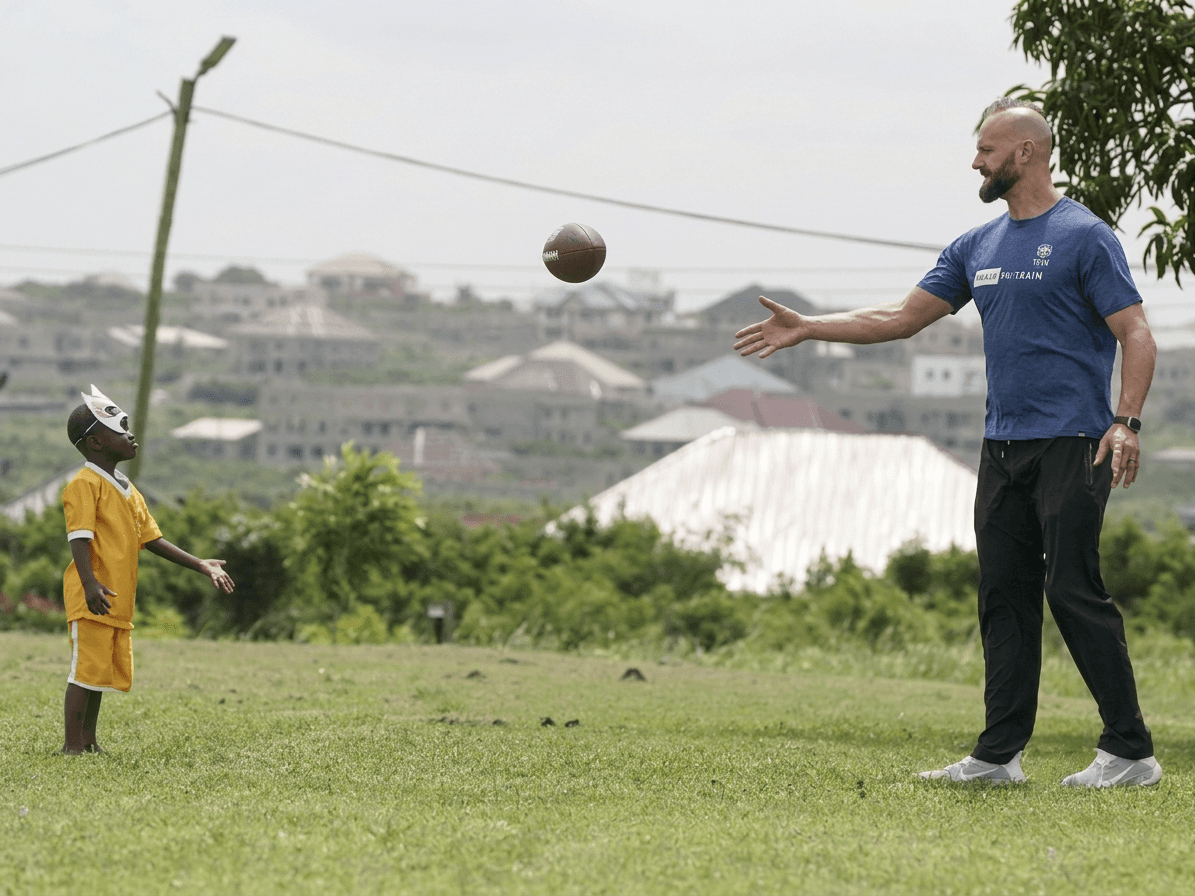
Mark Herzlich is the Director of Team Freedom at International Justice Mission, where he mobilizes more than 100 pro athlete families to help end human trafficking and protect children around the world. A former New York Giants linebacker and Super Bowl champion, Mark believes every person was made to belong and to be free.
Trending Posts