More than a Game: How Churches and Ministries Have Shaped the Landscape of Football (Soccer)
Soccer is never just a game. It is a gateway.
Long before they became an English Premier League powerhouse, Manchester City FC had a much humbler home: a church parish.
In the late 1880s, the industrial suburb of West Gorton (in Manchester) was plagued by poverty, high unemployment, and social unrest. As a result, local young men called scuttlers, faced bleak economic prospects and turned frequently to drinking and gang violence. (Notable scuttler gangs included the Angel Meadow Gang and the Bengal Tigers – both of whom were known for driving widespread community panic over their frequent brawls in the streets).
Seeing the trouble within his community, Rector Arthur Connell of St. Mark’s Church, along with his wife Anna, sought a practical way to bring hope, structure, and Christ-centered discipleship to the young men of West Gorton. The answer? A church-sponsored football (soccer) club.
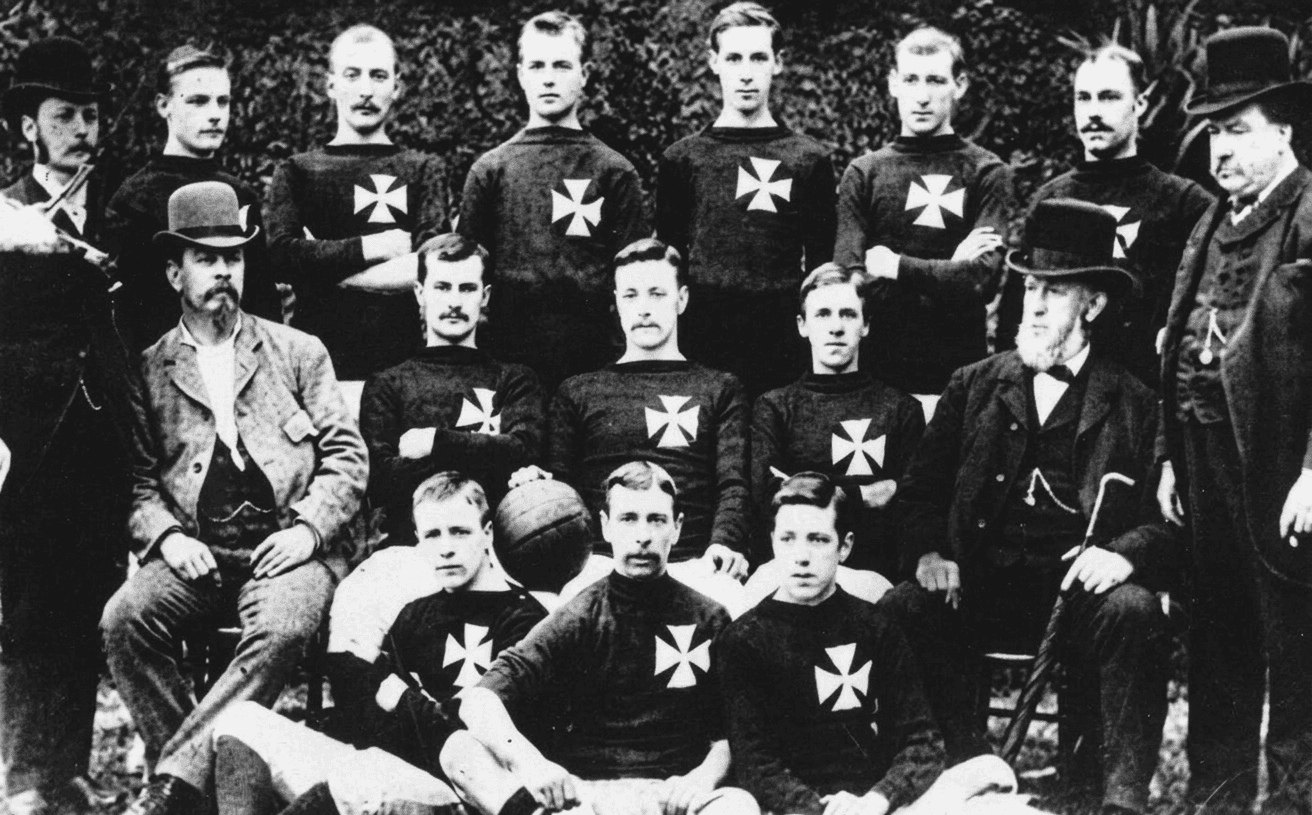
By November 1880, they established St. Mark’s West Gorton FC. The church welcomed men of all backgrounds and faiths, offering them an alternative to the pubs and street fights. The Connells knocked on hundreds of doors – inviting young men to a weekly meeting in the parish hall. They provided a safe environment for spiritual guidance and worship, while the church congregation established a soup kitchen and distributed coal to help families heat their homes during the harsh winter.
The initiative was an instant success. Over the next decade, the small church football team grew and merged with other local clubs. The team first rebranded as Ardwick AFC – before finally taking the name Manchester City Football Club in 1894. 125 years later, the club is now one of the top footballing sides in Europe.

Manchester City is not an isolated example. Many of England’s historic clubs – including Aston Villa, Everton, and Tottenham Hotspur – trace their origins directly back to church youth groups and Sunday schools looking to engage their local communities. What began as a local church outreach program laid the groundwork for the most popular competitive sports league in the world.
Transforming the Modern Landscape
While the early church helped birth prominent football clubs in the past, modern missionary organizations are also shaping the culture of competitive soccer today. One of Victory Beyond the Cup’s partners, Missionary Athletes International (MAI), is helping lead the charge in the United States. Founded in 1983 by Tim Conrad, MAI was built on a bold premise: if soccer was the world’s most popular sport, why not use it to communicate the ultimate message of Christ through the sport?
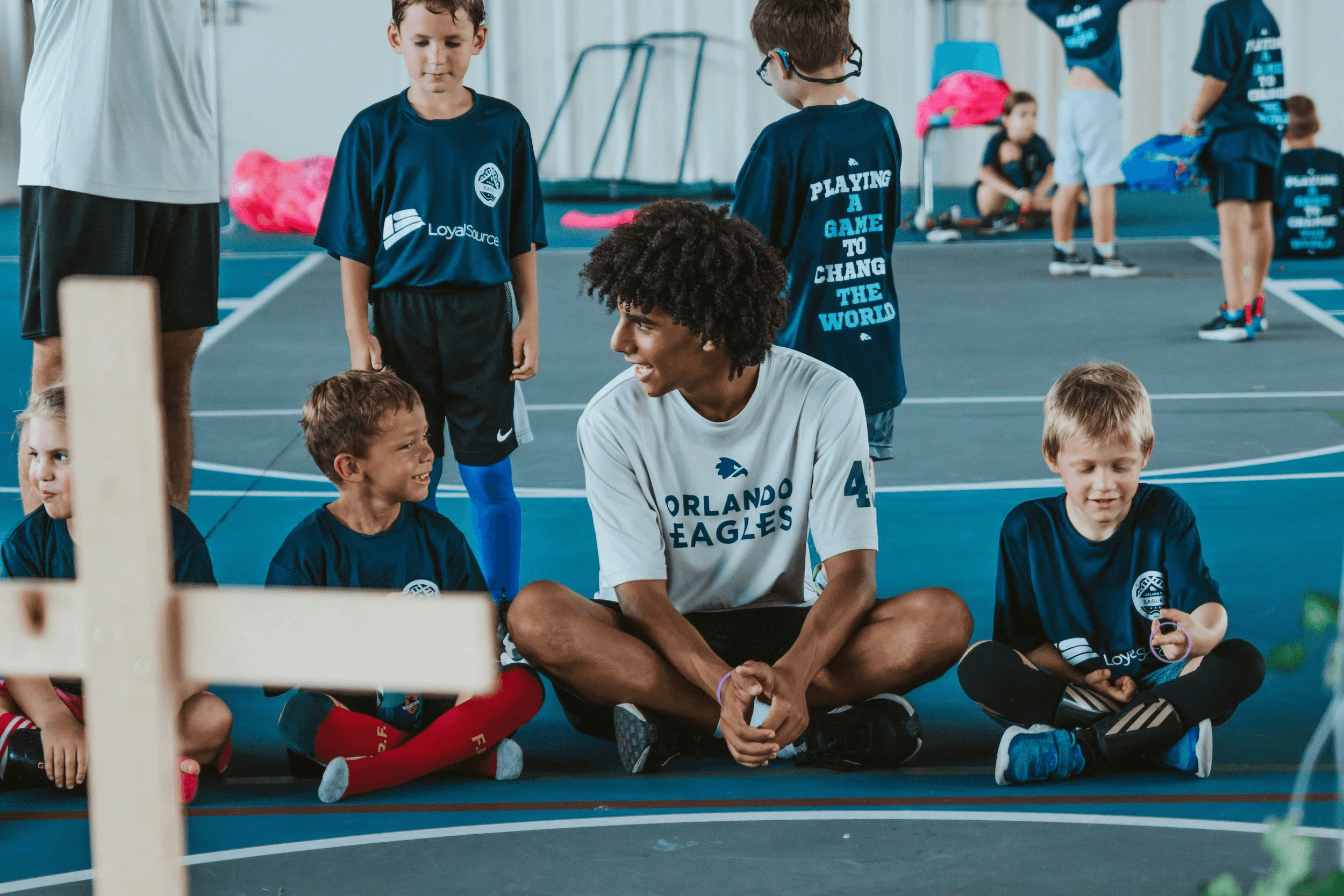
Over decades, MAI has established eight regional soccer ministry divisions under the unified brand, the Eagles. In a youth sports culture that is increasingly cutthroat and expensive, the Eagles have offered a counter-cultural approach. Their philosophy is simple: they aim to “glorify God and see lives transformed by sharing the message of Jesus Christ through the global environment of soccer.”
Through their programs, the Eagles offer welcoming soccer programming for youth of varying skill levels, reframe competitive sports’ values from a Biblical framework, equip coaches and players with tools to use soccer as a platform for ministry, and create regular opportunities for players and coaches to participate in local and global mission trips.
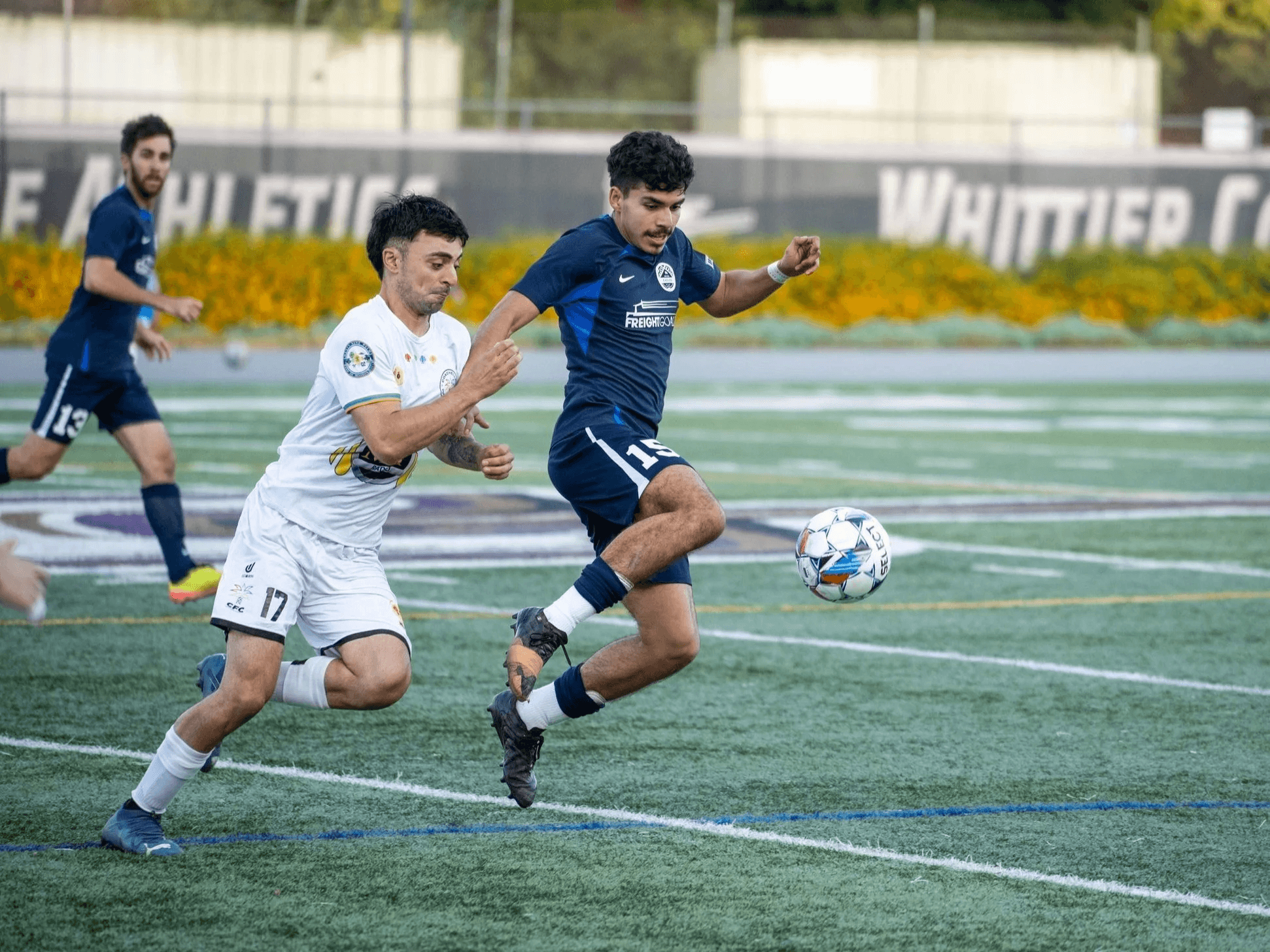
But unlike many sports ministries that generally operate at a recreational level, the Eagles have also made a significant impact at the highest levels of US soccer. Today, the Eagles operate elite youth academies around the country and compete in competitive leagues like MLS NEXT Academy, USL League 2, and USL W League. The Eagles have also produced top level players and coaches like: Desmond Armstrong (former USMNT player), Jeff Cassar (former MLS player and coach), Leah Fortune (former Brazil WNT player), and Josh Rife (head women’s coach, Indiana University).
In short, the Eagles have shown that their players can compete at the highest levels of American soccer with integrity, joy, and a servant-hearted attitude.
Keeping the Momentum Going
The thread connecting St. Mark’s West Gorton FC in 1880 to MAI’s Eagles’ soccer program is a shared conviction: that football (soccer) is never just a game. It is a gateway to relational connection.
Throughout history, God has used the global popularity of soccer to break down cultural, economic, and social barriers – all while drawing his creation back to himself. The British church did it during the Industrial Revolution to rescue young men from poverty/crime, and MAI is doing it today to rescue youth in the United States from a broken identity rooted solely in athletic performance.
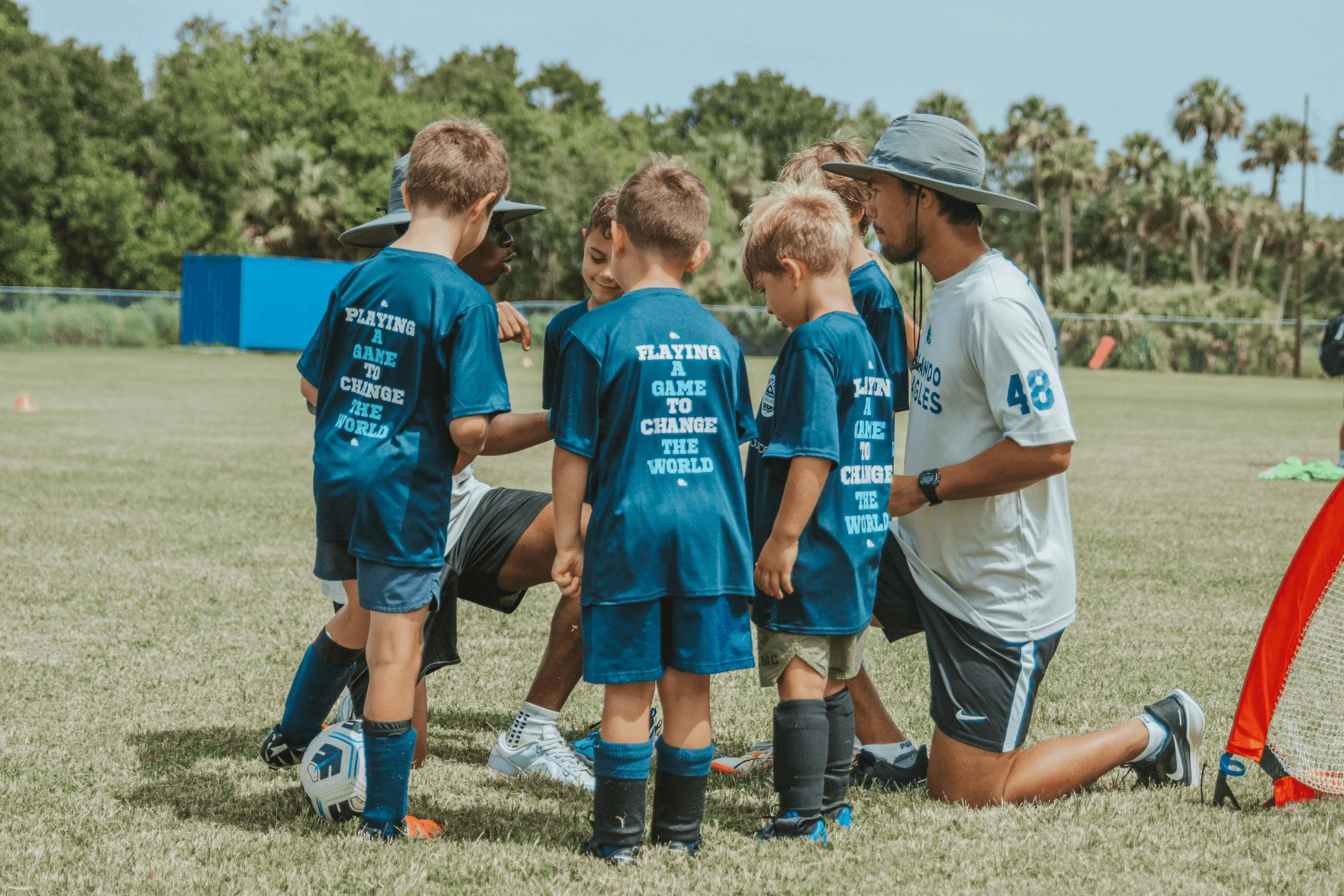
Even as we shift our attention away from the recent World Cup tournament, the local opportunity around you still remains. There are many ways to engage our communities through soccer, and the growth of the sport will only continue to grow over the next few decades. As you think about your own personal engagement with soccer in the future, consider doing one of the following:
Partner with Sports Ministries: Organizations like MAI (Eagles), Athletes in Action, and local Christian organizations are constantly looking for volunteers to host summer league players or assist with youth sports camps.
Launch a Faith-Based Soccer Clinic (or Pickup Soccer Group): Use your local grass field to host a low-cost youth soccer clinic. (Check out these resources from another VBTC partner, Base Ministry). Consider partnering with a local Christian school or church congregation to serve your local community. Reaching children and youth through sports often creates a natural bridge to share the Gospel with parents on the sidelines.
Redefine Sporting Culture in your Family: If you are a parent, you have an incredible opportunity to reshape your children’s understanding of how we should think about sports and competition from a Christian perspective. Have intentional conversations with them about how to be an ambassador for Christ while maintaining a high level of play as an athlete. Be sure to be a beacon of encouragement, peace, and hospitality to players, coaches, and officials while sitting on the sidelines, as well.
Become a Coach: Many sports leagues desperately need coaches who care about character development and positive mentorship – giving you a direct platform to invest in the lives of young athletes and their families. This is a ready-made discipleship opportunity!
No matter what you decide to do, don’t find yourself benched on the sidelines when it comes to being a meaningful voice for Jesus. The beautiful game is at its best when it serves a beautiful purpose – so get in the game and point those around you toward the only victory that lasts forever.
“For physical training is of some value, but godliness has value for all things, holding promise for both the present life and the life to come.” (1 Timothy 4:8 NIV)
David Eunseok Kim serves in diaspora ministry leadership for Cru. He has been involved in diaspora ministry since 2008 – from serving in church planting, ministering to international college students around the United States, and assisting newly-arrived refugees with settling into new homes. He is passionate about collaborating with the global church and enjoys mobilizing believers to grow in their heart for diaspora communities. |